
Quick answer. The two common one-part silicone sealant families are acetoxy cure and neutral cure. The difference affects curing byproducts and can influence substrate compatibility, but neither label proves that a cartridge suits every joint. Start with the actual materials, movement, exposure and product data sheet. Acrylic caulk is a separate material family, even when it sits beside silicone on a store shelf.
What are the main types of silicone sealants?
Silicone sealants are often grouped by cure chemistry. Acetoxy, sometimes called acetic cure, releases an acetic-acid byproduct as it cures and can have a vinegar-like smell. Neutral cure includes several chemistries, such as alkoxy and oxime; the exact formulation and byproducts vary. Both groups can produce flexible joints, but their approved substrates and uses are product-specific.
There is another way to classify a cartridge: purpose. Glazing, weather sealing, sanitary joints and structural glazing are different applications. A sealant described as neutral cure is not automatically approved for structural glazing; that use requires a product and design specifically documented for it. Likewise, a general-purpose acetoxy sealant is not automatically suitable for every metal or natural stone.
Acetoxy vs neutral cure: compare the decision points
| Question | Acetoxy cure | Neutral cure |
|---|---|---|
| Typical curing clue | Acetic-acid byproduct; often a vinegar-like odor | Non-acetic curing system; byproduct depends on formulation |
| Common use direction | Often specified for glass and other compatible non-porous surfaces | Often specified across a wider mix of building materials |
| Metal, stone or coated surfaces | Check the exact substrate and manufacturer restrictions | Check the exact substrate and manufacturer restrictions |
| Wet-area joint | Choose a product rated for that joint and cleaning routine | Choose a product rated for that joint and cleaning routine |
| Structural glazing | Use only a specifically approved structural glazing system | |
Dow's product range illustrates why the precise specification matters. Its acetoxy glass silicone is designed for glass adhesion and sealing, while a separate neutral-cure product is described for glazing and weather sealing on specified substrates. These examples do not establish the performance of another brand's cartridge. They show which questions to ask when comparing offers.
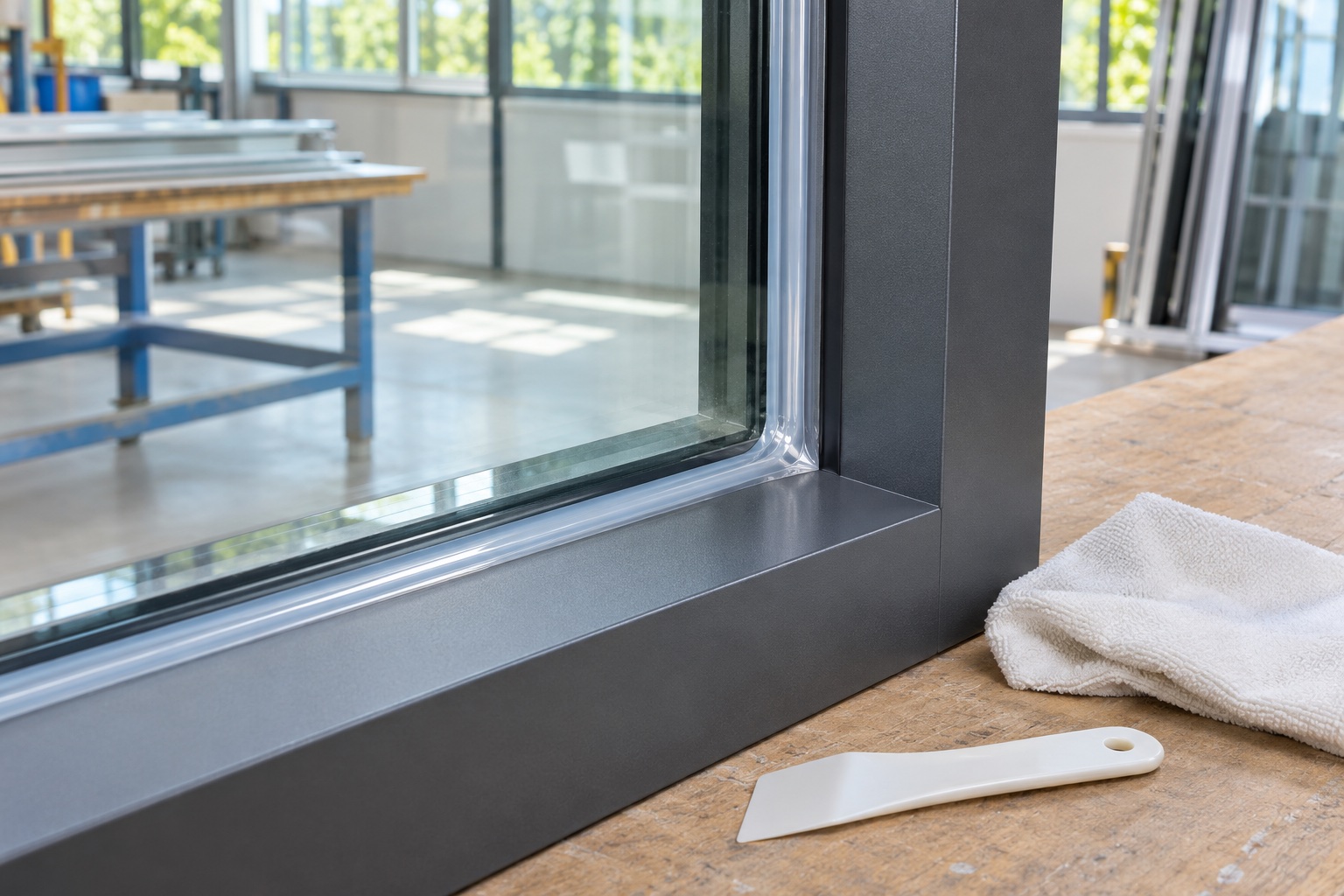
Match the sealant to the joint, not the word “silicone”
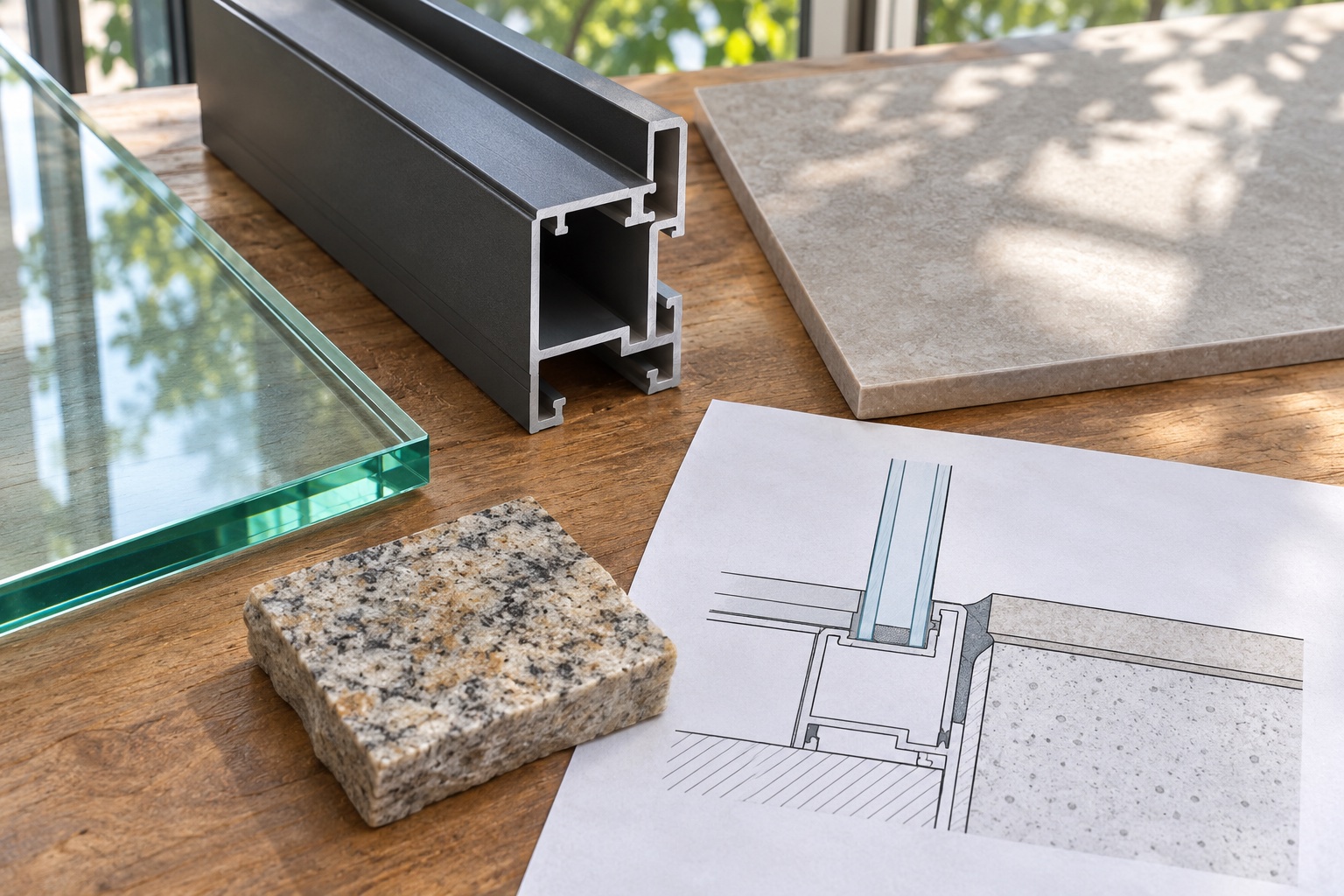
List both sides of the joint before selecting a cartridge. Glass-to-glass and glass-to-glazed-tile joints differ from a painted aluminum frame meeting concrete, stone or plastic. Also note whether the surface is coated, powder-coated, porous, damp or contaminated. A product sheet should state compatible substrates, any primer requirement and exclusions. Where the project matters, test adhesion on the actual materials.
Joint movement is just as important. A perimeter window joint expands and contracts differently from a short cabinet seam. Measure width and depth, identify any backing material and follow the system's joint-design guidance. Too little material, three-sided adhesion or a badly prepared edge can undermine even a compatible sealant. The cartridge color—clear, white, black or gray—does not answer these design questions.
For sanitary rooms, ask about recurring water contact, cleaning agents and mildew-resistance claims for the exact grade. “Waterproof” on a label should be read in the context of the intended joint and application instructions. Where overpainting is required, do not assume conventional silicone will accept the chosen wall paint; confirm paintability or consider a different specified material.
What should a distributor ask before ordering?
Separate the assortment by use rather than by a single shelf label. A glazing cartridge, a sanitary-grade product and a structural glazing grade should have distinct names and documentation. For each, request the technical data sheet, safety data sheet, cure type, substrate list, joint movement claim, application temperature, skin time, cure guidance, shelf life and storage conditions. Compare the exact test methods behind performance claims.
Our glass sealant range presents acetic, neutral and acrylic options for window-joint enquiries. Acrylic is included as a separate sealant type, not a silicone cure type. If your project involves load-bearing glazing, review the requirements with the structural sealant category and obtain the specified system documentation before purchasing.
For private-label supply, define cartridge volume, nozzle, carton count, labeling language and destination market alongside the chemistry. A sample joint made with the customer's real glass, frame or panel will reveal more than a color swatch. Keep the approved sample and its batch details with the buying record.
Frequently asked questions
Is neutral-cure silicone always better?
No. It may suit some mixed-material joints, while an acetoxy product can be well matched to approved glass applications. Choose by the exact substrate and product approval.
Is acrylic caulk a type of silicone?
No. Acrylic caulk is a different material family. It may sit beside silicone products in a catalog, but its painting, exposure and movement properties must be evaluated separately.
Can any silicone cartridge seal a bathroom or window?
No. Check the intended application, substrate, joint design and maintenance conditions in the product sheet.
Building a silicone sealant range?
Send us the joint materials, intended use, grade, cartridge format and destination market. We can discuss the documents and sample tests needed to compare options.
Ask SZSTRONG about sealantsTechnical references

About the author · Hemy
Hemy is Chief Brand Manager at SZ Strongs in Yiwu, China. He works with buyers on paint, adhesive and coating ranges, brand presentation and packaging enquiries. Share the substrate, application, pack format and destination market when you contact him about a product selection.