

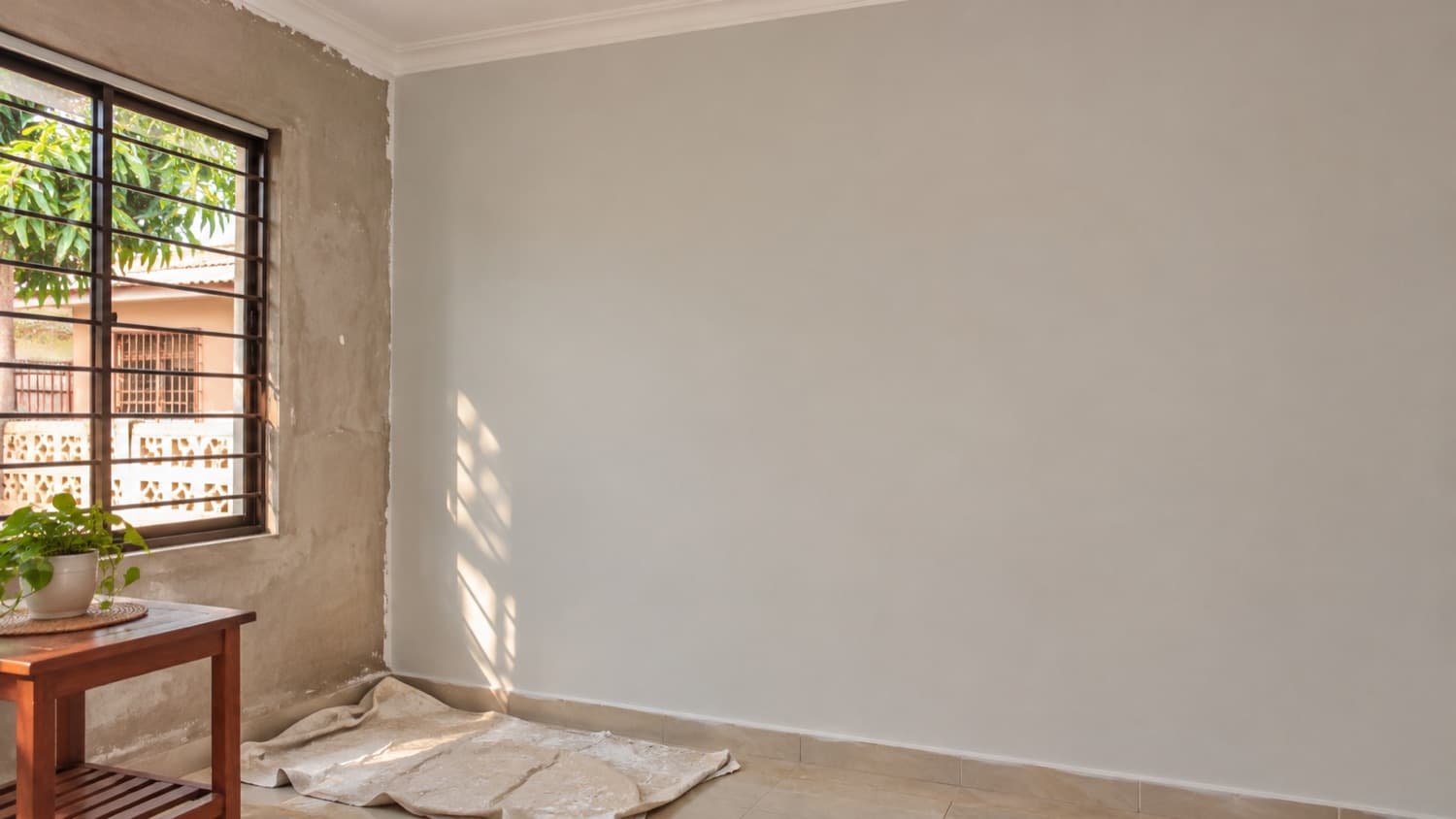
Start with the job, not the word acrylic
Search for acrylic paint in Ghana and you will see two different jobs under the same word. A small tube or jar made for canvas and craft work is not the same buying decision as a pail made to finish a room. The first is selected for artwork and colour handling. The second has to cover prepared plaster or another stated building surface over a much larger area.
When you ask a shop for acrylic paint, say what you plan to paint. Is it a canvas, an interior wall, a concrete surface or an exterior feature? For a wall, ask for the coating’s intended substrate and application guidance. A colour you like on a small artwork does not tell you how a wall coating will cover, clean or look after a full room has dried.
At SZ-Strong, the Ghana wall-paint selection begins with emulsion wall paint and a separate washable interior wall paint line. The product reference, wall use and shade are more useful on an order than the word acrylic by itself.
Acrylic and emulsion describe different things
Acrylic refers to a family of resins that can form the binder in paint. The binder holds the pigment in the dried coating. Emulsion is a term often used for water-based architectural paint, where tiny binder particles are dispersed in water before application. Those descriptions can overlap: a water-based wall coating may use an acrylic or acrylic-copolymer binder.
That is why a simple “acrylic paint vs emulsion paint” comparison can mislead. It is like comparing an ingredient with the way a product is supplied. Two paints both called emulsion can have different binders, finishes and stated uses. Two paints both called acrylic can be intended for very different surfaces.
Read the product label and technical sheet for the actual reference. Look for the surface, interior or exterior use, preparation, recommended coats, coverage and cleaning instructions. If a seller says a wall paint is acrylic, ask which product and what job it is designed to do.
Swipe sideways to read the full table →
| Label word | What it usually describes | What to check next |
|---|---|---|
| Acrylic | A possible resin or binder family | The full product and intended surface |
| Emulsion | A water-based coating system | Binder, finish and room use |
| Washable | A claimed cleaning use for a finish | The product’s care and test guidance |
| Artist acrylic | Colour made for art surfaces | Canvas or craft use, not wall coverage |
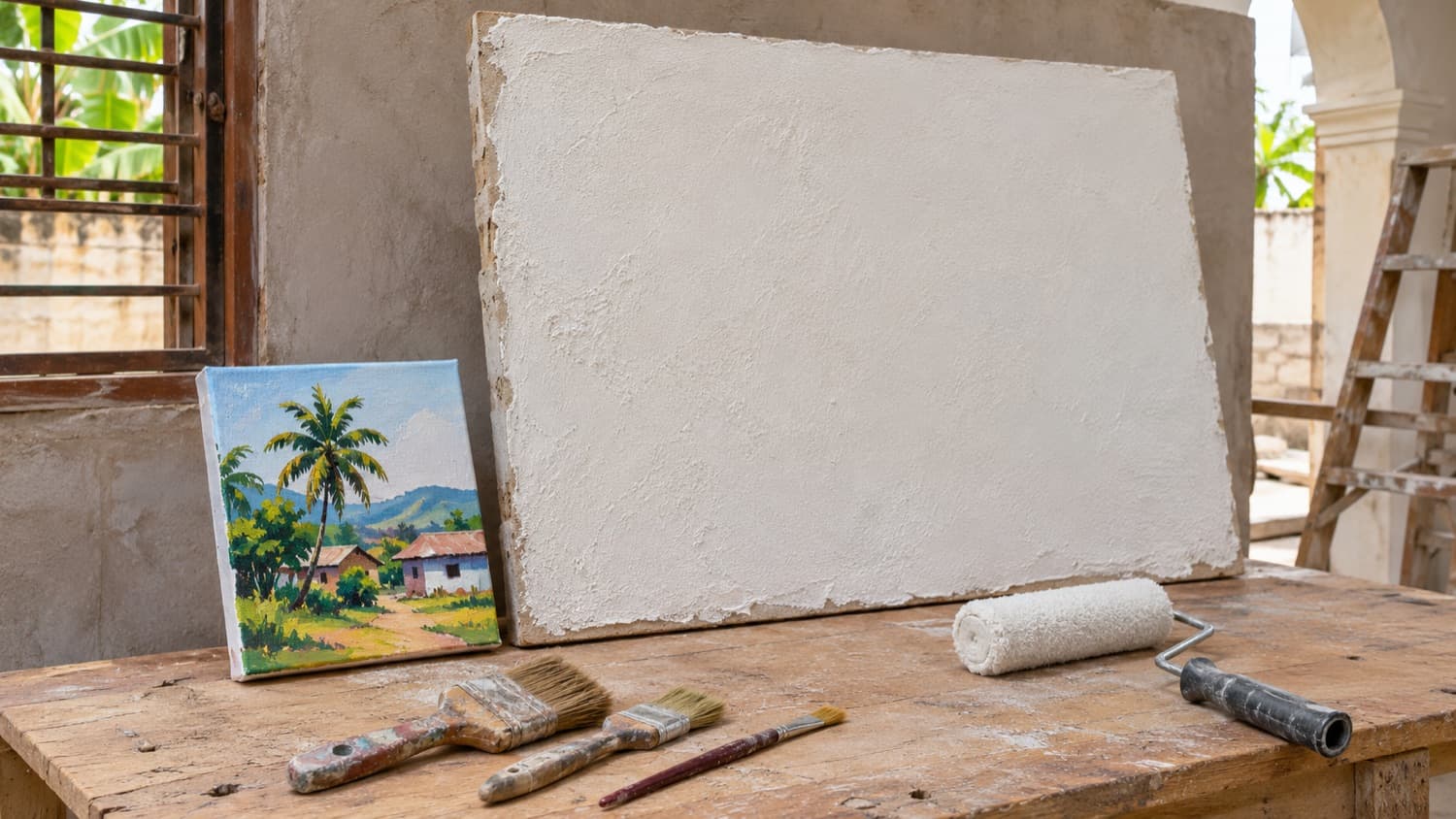
Choose the wall finish for the room
A lightly used bedroom wall, a busy passage and a ceiling do not face the same wear. Start with how the room will be used. If a wall is touched and cleaned often, review a washable interior finish and its stated care instructions. If it is a low-contact surface, standard emulsion wall paint may be the simpler selection. The exact product still needs to suit the prepared substrate.
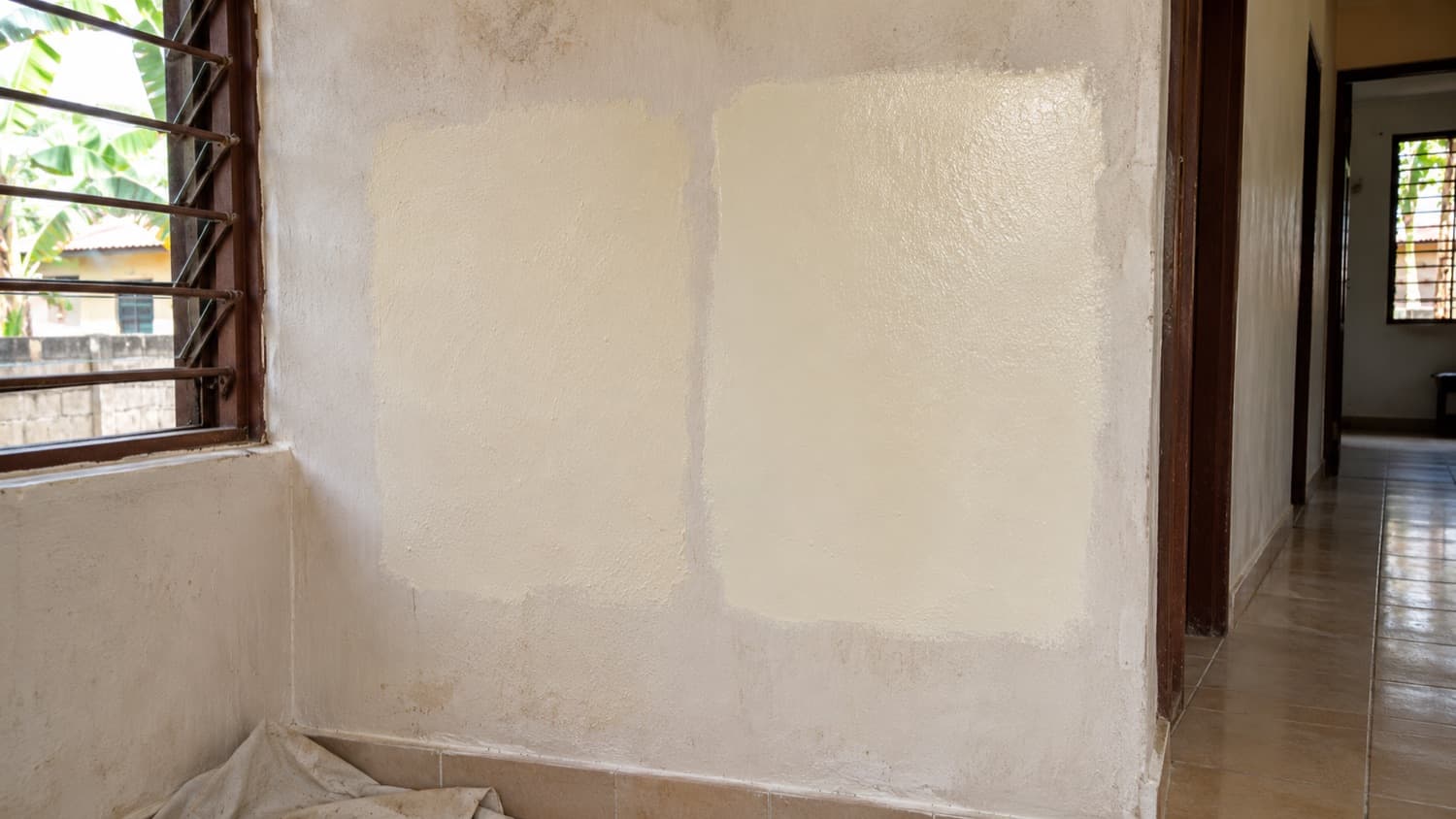
Colour and sheen matter too. A glossier sample can show surface marks more clearly in side light, while a flatter look may suit another room. Apply a sample on the actual prepared wall and inspect it after drying in morning and evening light. Record the approved shade and product reference together so a later order does not match the colour but change the coating.
For an exterior wall, do not take an interior pail outside because its binder sounds familiar. Ask for a product specified for that exposure and substrate. Moisture problems, loose render and previous coatings need attention before any new finish is chosen.
Prepare a small area before ordering the room
Check the wall for chalking, peeling paint, cracks and uneven patches. Remove material that is no longer sound. A suitable wall putty can help level a prepared interior surface; a wall sealer addresses a different preparation need on compatible absorbent mineral surfaces. Keep those products on separate lines rather than assuming a finish coat will hide every problem.
Make the test patch with the same preparation and number of coats planned for the job. Let it dry as directed before judging the shade, sheen and coverage. If you expect regular cleaning, follow the selected coating’s curing and care instructions before trying to wipe the patch. A fresh coat and a fully cured film are not the same stage.
The sample also helps estimate quantity. Use the chosen paint’s stated coverage and the measured wall area, then allow for texture, edges and application loss. If you are comparing quotes, keep the paint reference, pail capacity and preparation materials beside each price.
Send a clear Ghana paint enquiry
A short buying brief is enough to start: tell us the Ghana receiving town, whether the work is inside or outside, the wall material and condition, the area, preferred shade and cleaning expectations. Add photographs of the wall and any approved sample. If you are stocking a paint shop, list the shades and pail quantities you want on the shelf.
For SZ-Strong emulsion wall paint or washable interior wall paint, keep each reference on its own quotation line. Add wall sealer or ready-mixed wall putty only where the preparation plan calls for them. This lets the supplier and decorator discuss the same system, rather than trying to price an undefined “acrylic paint” bucket.
For the material budget, our paint prices in Ghana guide shows how to compare pail size and coverage on the same basis. You can then send the finished brief through our Ghana enquiry page so we can confirm the catalogue reference, format and next sample steps for the job.
Common questions
Is acrylic paint the same as emulsion paint?
The terms can overlap. Acrylic can describe a binder in a paint; emulsion commonly describes a water-based wall coating. Check the exact product reference and intended use.
Can artist acrylic paint be used instead of wall emulsion?
A craft or canvas paint is selected for a different surface and scale. For a room, choose a product specified for the wall substrate, coverage and maintenance needs.
Is every emulsion paint washable?
No. Cleaning performance depends on the specific product and its care instructions. Select a washable wall-paint reference when that property matters and follow its curing guidance.
Bring the next question to our team.
Bring your selected products, quantities and Ghana receiving destination into one request. Add the application and sample details so our team can answer against your buying list.
Start your Ghana enquiry